How Coax and RF Cable Support Reliable DAS Communication
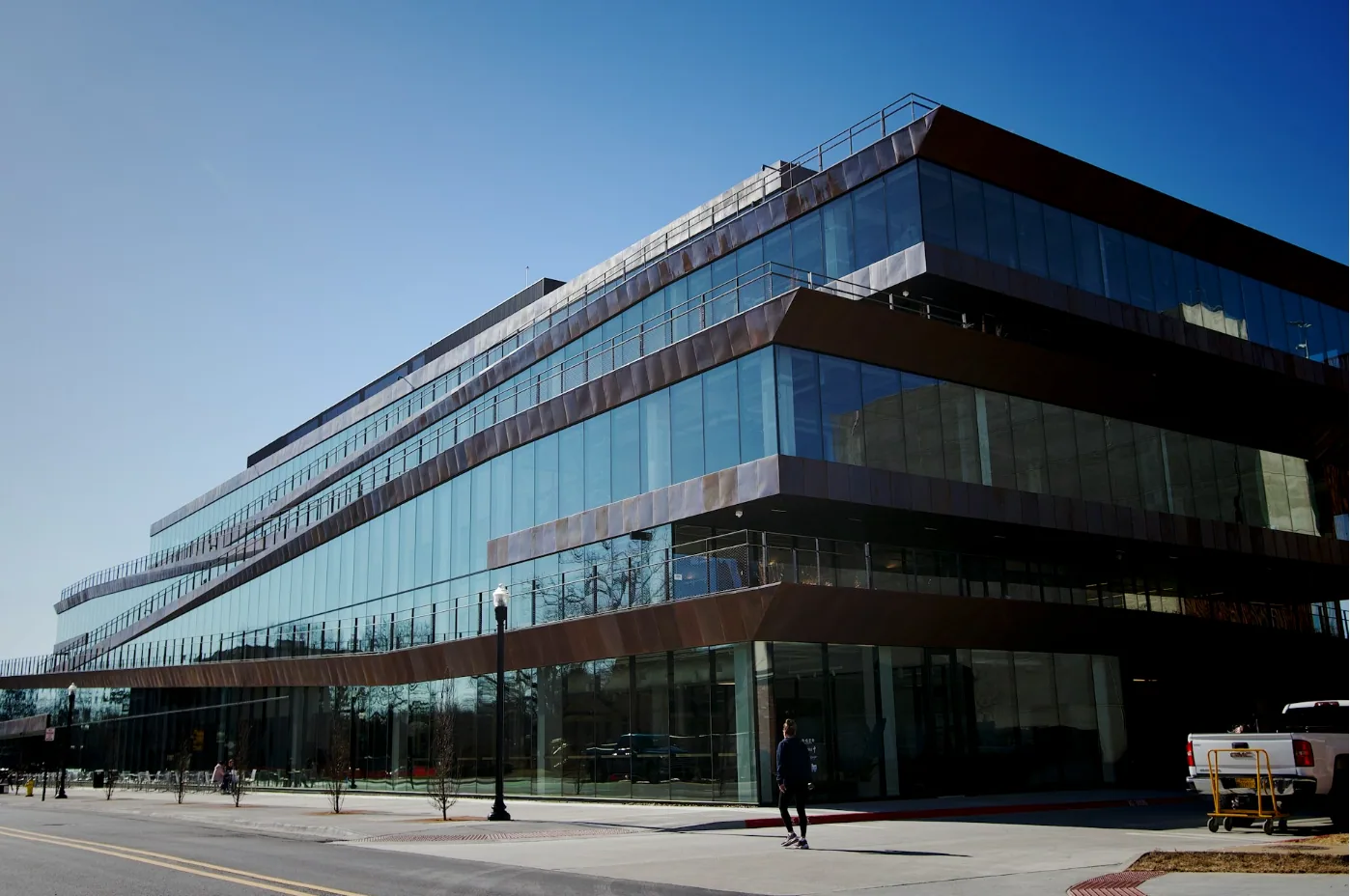
DAS system meaning starts with a simple definition: a distributed antenna system is a network of strategically placed antennas that distribute carrier signal throughout a building or venue. Unlike Wi-Fi, which operates on an unlicensed band, DAS carries licensed cellular signal from a carrier's network directly to the antennas positioned throughout a facility. This is what allows a stadium, hospital, or high-rise to maintain consistent cell coverage even when concrete, low-E glass, or steel construction would otherwise block outside signals.
While the antenna network gets most of the attention in conversations about DAS, the physical cabling connecting the head-end to each remote unit and antenna determines how well that signal actually performs. Coax, RF cable, and DAS wire and cable are the infrastructure layer that makes reliable in-building communication possible, and the choices made at the cabling level carry through to how a system performs for years after it goes live.
RF Cable and Coax Cables as the Backbone of DAS Signal Transmission
A typical DAS design routes fiber from the head-end unit to remote units placed on each floor, then relies on coax cable to carry the converted RF signal the final distance to each antenna. This last stretch matters more than it might seem. Signal loss, shielding quality, and jacket construction along that coax run directly affect how consistent coverage is across a building.
RF cable and coax cables built for DAS applications need to hold up to sustained radio frequency transmission without introducing attenuation that degrades signal strength before it reaches the antenna. Because DAS systems often run cable across long horizontal and vertical distances inside a building, cable construction quality has an outsized impact on overall system performance. Poor shielding or inconsistent dielectric material can introduce signal loss that no amount of antenna placement can fully compensate for, which is why cable selection deserves the same level of scrutiny as the RF design itself.
Half-Inch Coax and LCF12-50J Cable Specifications for DAS Runs
Half-inch coax is a common choice for DAS distribution because it strikes a practical balance between signal-carrying capacity and manageable size for longer cable runs. Larger diameter coax generally supports lower attenuation over distance, which matters in large facilities where remote units and antennas can be spread across multiple floors or wide open areas like arenas and parking structures.
LCF12-50J is a half-inch, 50-ohm low-loss foam-dielectric coax cable built for DAS applications that demand minimal signal degradation across extended runs. This construction supports the consistent coverage that public safety and commercial DAS installations require. Consistent impedance and low VSWR (voltage standing wave ratio) across the full length of the run are what allow half-inch coax to maintain signal integrity even as cable runs extend across large or multi-level buildings.
Outdoor Coax and Plenum-Rated Air-Dielectric Coaxial Cable for Different Environments
DAS systems often span both outdoor and indoor environments, and cable construction needs to match where it will be used. Outdoor coax is built with jacketing designed to resist UV exposure, moisture, and temperature swings, since rooftop antennas, campus-wide systems, and exterior donor antenna connections are all exposed to the elements year-round. Cable that is not rated for outdoor exposure can degrade prematurely, leading to signal loss long before the rest of the system reaches end of life.
Inside a building, plenum-rated air-dielectric coaxial cable is often required for cable routed through return-air spaces, per fire and building code requirements. Air-dielectric construction also offers lower signal loss compared to solid-dielectric alternatives, which supports better performance across the indoor distribution network. Matching cable construction to its environment is a foundational part of designing a DAS system that performs reliably over time, and getting it wrong at the specification stage is far more costly to correct than getting it right from the start.
Public Safety Coax and Radio Frequency Systems Reliability
Beyond commercial cellular coverage, many DAS systems are designed to support public safety communication, including two-way radio systems used by emergency responders. Public safety coax needs to meet the same low-loss, high-reliability standards as commercial DAS cabling, often with additional code requirements tied to life-safety systems, since these networks are frequently mandated by local fire and building codes rather than optional amenities.
Radio frequency systems supporting public safety communication are frequently subject to stricter performance and compliance standards than standard commercial DAS applications, since dropped or degraded signal in an emergency response scenario carries far higher consequences than a dropped cell call. Cable reliability in these systems is not just a performance consideration, it is a life-safety one.
How Cable Quality Impacts Long-Term DAS Performance
DAS performance is only as strong as the cabling infrastructure behind it. Shielding effectiveness, jacket material, and overall cable construction all influence how consistently a system performs over its lifespan, not just at the moment it is designed. Cable that is well suited to its environment and application reduces the risk of signal degradation, interference, and performance issues as a building's communication demands evolve and as data and device density continue to increase.
Understanding DAS system meaning is the first step. Choosing coax, RF cable, and DAS wire and cable built for the specific demands of a distributed antenna system is what keeps that system performing reliably for years to come. Visit our DAS resource center to learn more, or contact us to discuss cable requirements for your next DAS project.
