Oil-Resistant Cables in Harsh Fuel Environments
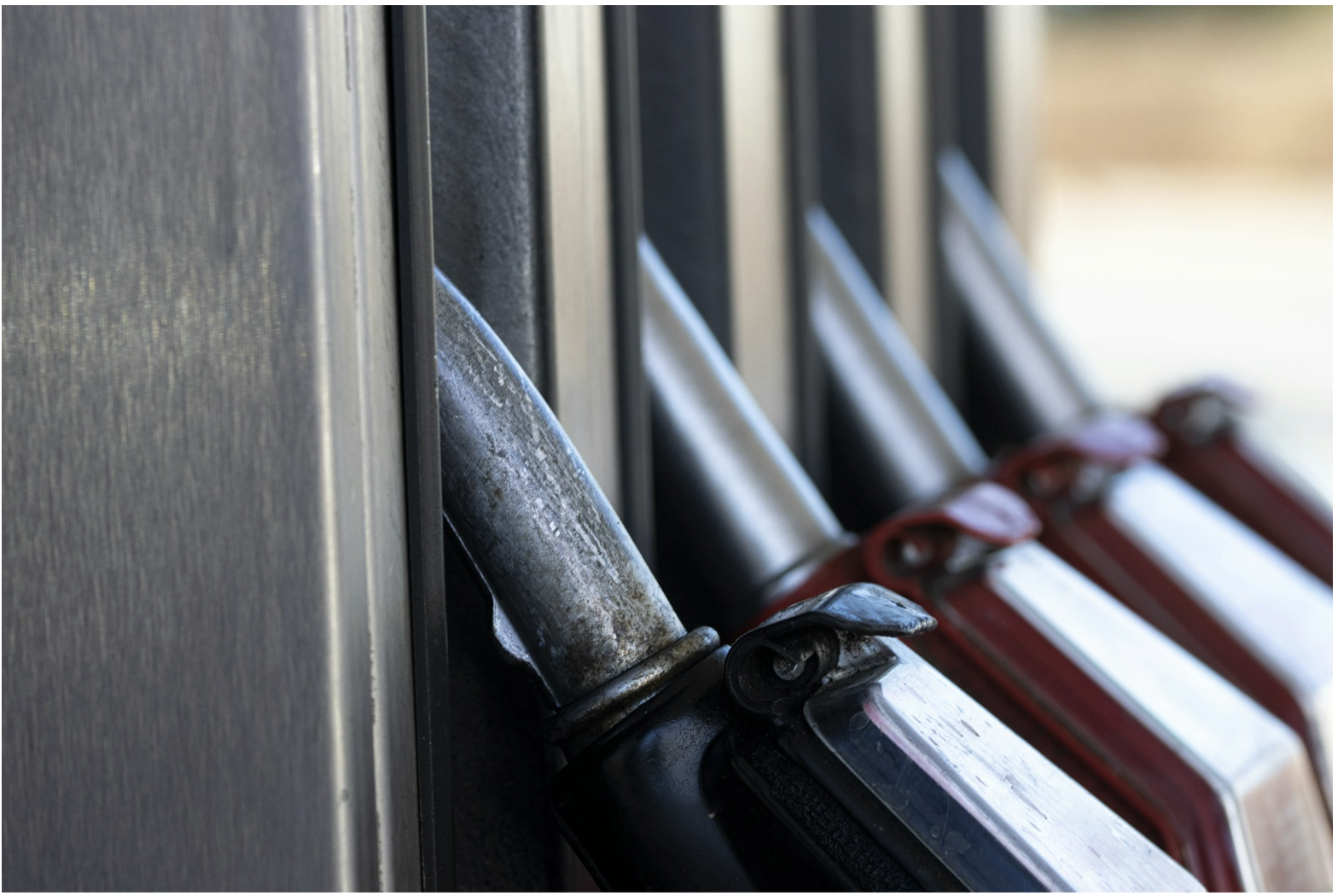
Fuel infrastructure creates demands that standard cable construction often cannot handle for very long. Gas stations, underground tank monitoring systems, fuel dispensers, canopy circuits, and petroleum processing areas combine chemical exposure, temperature shifts, moisture, vibration, and physical wear in ways that push cable materials far beyond ordinary commercial conditions. In these settings, cable failure is not just an inconvenience. It can affect uptime, system accuracy, maintenance costs, and compliance exposure.
That is why oil resistant cable should be viewed as a performance topic, not just a product label. In true fuel-facing environments, cable must maintain its structure and electrical performance while enduring repeated contact with hydrocarbons and the daily stresses of petroleum operations. This article explains what makes oil-resistant cables different, why they matter in harsh environment applications, and what cable durability really means when the operating conditions involve fuel, oil, and chemical stress.
What Makes Fuel Environments Uniquely Demanding
Fuel environments stand apart from many other industrial spaces because the stress factors do not appear one at a time. They stack on top of each other. The first and most obvious issue is chemical exposure. Cables in petroleum settings may encounter gasoline, diesel, oil, additives, vapors, and residue over long periods. Some materials absorb these substances, soften, swell, crack, or lose structural strength as exposure continues. That makes chemical compatibility a central part of cable performance.
The second issue is thermal cycling. Petroleum systems often span multiple environments within the same facility. One segment of cable may run through underground conduit, another through an equipment enclosure, and another through a forecourt or canopy zone subject to daily temperature swings. As those environments heat and cool, the cable's layers expand and contract. Over time, repeated cycling can stress the jacket, insulation, and overall cable structure.
The third issue is mechanical stress. Fuel dispensers, pump assemblies, and nearby equipment can create vibration and movement. Infrastructure zones may also expose cable to abrasion, pressure, or incidental contact. In these conditions, gas & oil resistant cables do not just face one form of wear. They face multiple forms at once.
That compounding effect is what makes this category so different. A cable weakened by petroleum exposure becomes more vulnerable to vibration and physical fatigue. A cable stressed by temperature changes may become less resilient when chemicals are introduced. That is why a fuel site does not behave like an ordinary industrial cable setting, even when both fall under broader industrial infrastructure.
How Oil-Resistant Cable Is Built for These Conditions
The value of fuel resistant wire starts with material choice. Jacket compounds matter because the outer layer is the first line of defense against fuel, oil, and related chemicals. In many petroleum-rated designs, the jacket is built from compounds intended to resist absorption and swelling when exposed to hydrocarbons. That resistance helps the cable retain its shape, flexibility, and protective barrier over time.
Insulation matters just as much. In many petroleum environments, cables may operate in both wet and dry locations depending on the pathway and surrounding infrastructure. Dual-rated insulation systems are relevant because the cable must maintain electrical integrity even as the environment changes. In real-world petroleum work, that flexibility in rating often supports cable deployment across different zones of the same site.
One important consideration in petroleum environments is how the cable jacket performs under exposure to fuel and oil. Not all materials respond the same way. Some jacket compounds may soften, swell, or degrade over time when exposed to hydrocarbons. Others are formulated to resist these effects and maintain structural integrity. This distinction helps separate general-purpose cable designs from those better suited for fuel-facing environments.
Conductor construction also plays a role. Some applications favor solid conductors in fixed pathways, while others benefit from stranded conductors where the cable may face recurring movement or mechanical stress. The point is not that one style is always better. The point is that petroleum environments place enough pressure on the entire cable design that conductor structure becomes part of the durability discussion too.
Where These Cables Perform in Real Fuel Environments
Fuel dispensers and gas station forecourts create one of the clearest examples of why specialized cable matters. Cables serving dispenser systems may be exposed to fuel vapors, harsh operating conditions, and frequent temperature changes, as well as physical demands from the operating environment. In those conditions, the durability of oil and gas industry cables becomes a practical concern tied directly to system performance. If cable materials begin to degrade, the result can affect control communication, monitoring accuracy, and system uptime.
Underground storage tank monitoring systems create a second demanding environment. These systems rely on continuous signal behavior to support monitoring and detection functions. Cable running through underground pathways may be exposed to moisture while also being in prolonged contact with petroleum-related conditions. In these spaces, slow material breakdown is especially problematic because it may not show up immediately. A cable can continue operating while gradually losing the structural and electrical integrity on which the system depends.
Industrial fuel infrastructure creates a third major category. Refineries, terminals, transport systems, and petroleum processing areas combine chemical stress with vibration, thermal cycling, and extended service expectations. The cost of replacing degraded cable in these environments is not just the material cost. It can involve downtime, access challenges, and interruptions to broader operations. That is why these applications place such a high value on cable designed specifically for petroleum conditions rather than on general-use designs.
What Cable Durability Actually Means in Petroleum Applications
The phrase cable durability can sound broad, but in petroleum settings it has a very specific meaning. First, chemical durability means the jacket resists swelling, cracking, softening, and long-term hydrocarbon absorption. If the jacket undergoes chemical changes, it stops serving as a reliable protective layer for the insulation and conductors beneath.
Second, mechanical durability means the cable continues to perform even under vibration, repeated stress, and environmental wear. In fuel systems, these can include equipment-related movement, pathway contact, and general infrastructure fatigue. A durable cable maintains its physical structure instead of developing microcracks or weakening at stressed points.
Third, thermal durability means the cable continues to behave predictably across temperature changes. In petroleum environments, heat and cold cycles can gradually separate layers, stiffen the jacket, or affect insulation stability. A durable cable resists those effects well enough to maintain usable performance over long operating intervals.
That is why the performance of oil resistant wire under stress matters more than a simple pass-fail view of survival. The cable does not just need to remain present in the pathway. It needs to maintain stable electrical and structural behavior as the environment continues to challenge it. For readers who want a deeper look at this topic, we previously discussed how oil-resistant wire performs under stress, expanding on how these conditions affect cable over time.
How to Evaluate Oil-Resistant Cable for Your Application
A practical evaluation starts with a few key considerations.
First, how does the cable jacket perform when exposed to fuel, oil, and related hydrocarbons? In petroleum environments, resistance to swelling, softening, and long-term material breakdown is critical to maintaining structural integrity.
Second, do the insulation ratings align with the actual conditions along the cable pathway, especially in areas where moisture and petroleum exposure may overlap? Cables may move between wet and dry locations within the same system, so consistent electrical performance across those conditions matters.
Third, does the conductor construction align with the environment’s mechanical profile? Fixed pathways, vibration-prone equipment, and areas subject to movement or stress can influence whether solid or stranded conductors are more appropriate for maintaining long-term performance.
These considerations are not a checklist as much as a framework. In petroleum settings, cable performance depends on how well material construction aligns with real operating conditions. Broad product labels alone do not define suitability. The environment ultimately determines how the cable will perform over time.
It is also worth noting that some readers arrive at this topic from adjacent fuel infrastructure searches, including questions like why is EMV migration important. That search intent makes sense because payment systems, dispenser electronics, and petroleum wiring often intersect in modern fuel sites. Even in those discussions, the underlying issue remains the same: the cable must continue to perform in a chemically aggressive environment.
For a broader background on petroleum-focused options, the petroleum resource center offers additional information around cable types and performance considerations in these settings.
Fuel environments place unusual pressure on cable because chemical exposure, temperature cycling, and mechanical stress act together rather than separately. That is why oil resistant cable matters in petroleum systems. It supports performance in gas station forecourts, underground monitoring pathways, and larger industrial fuel infrastructure where standard cable construction may degrade too quickly.
Petroleum wire and cable should be evaluated based on how well it resists chemical attack, how well it holds up mechanically, and how consistently it performs under temperature-stress conditions. In these environments, durability is not a vague benefit. It is part of reliable operation. For teams working through application-specific questions in petroleum infrastructure, contact our team for additional help.

Windy City Wire
Windy City Wire
Windy City Wire