Belden 7928A Equal: FEP Cat5e Petroleum Cable
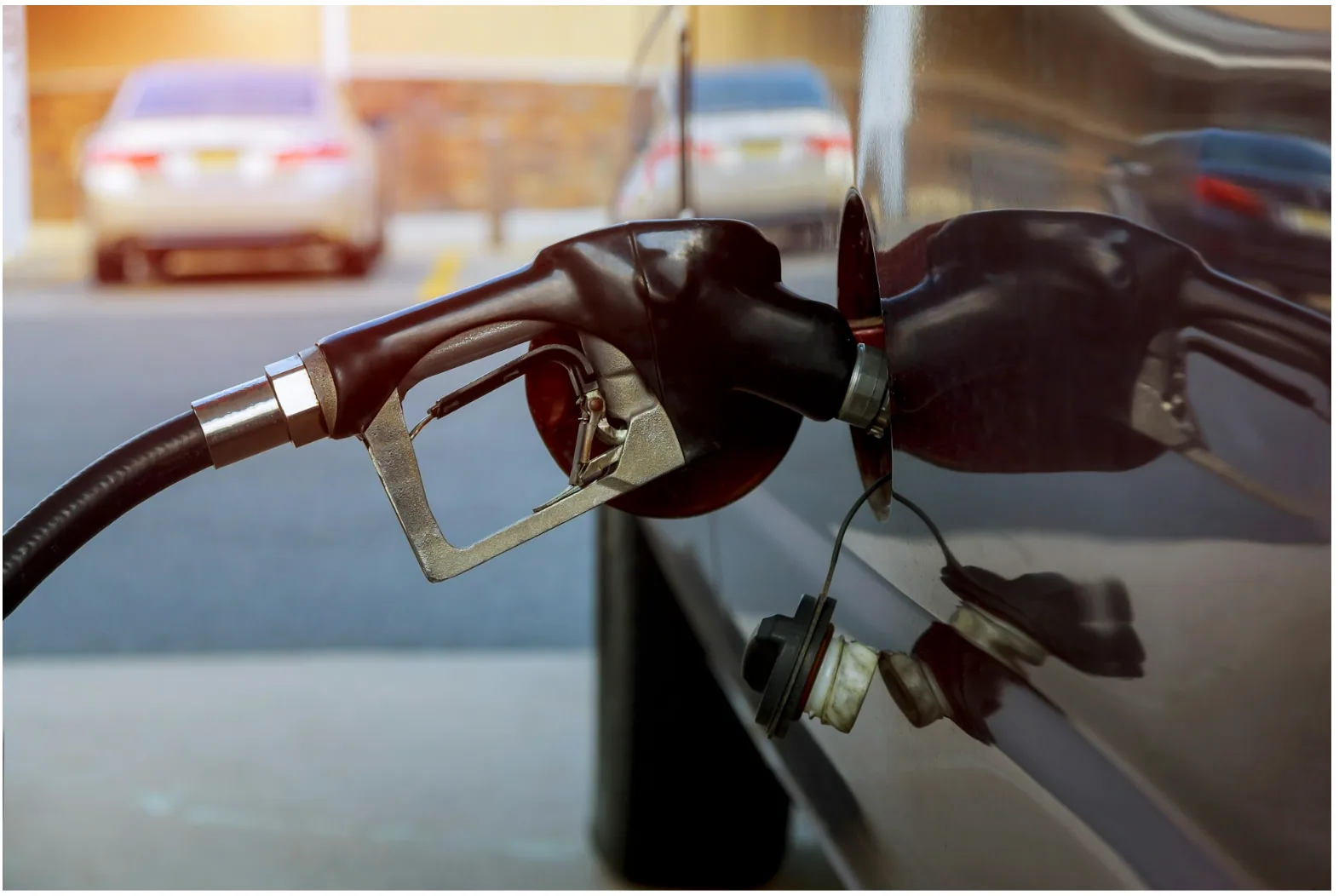
In petroleum forecourt environments, the governing specification is not just a data category. Jacket chemistry, ratings, and verified construction matter as much as bandwidth. Contractors and procurement managers sourcing a Belden 7928A Equal need more than a general substitute. They need a Category 5e petroleum cable that aligns with the original construction and performs in harsh environment applications where gasoline, diesel, oil, sunlight, and vapor exposure may be present. FEP-CAT5 meets that need with 24 AWG, 4-pair solid bare copper conductors, FEP insulation, an FEP jacket, CMP rating, 300V rating, ANSI/TIA-568-C.2 Category 5e verification, and Made in USA manufacturing.
Construction Match: How FEP-CAT5 Compares to the Belden 7928A
A Belden 7928A Equal should begin with construction alignment, not a loose category comparison. The FEP-CAT5 specification matches the key details that matter for procurement and documentation. It uses 24 AWG solid bare copper conductors in a 4-pair UTP configuration. The conductor pairs follow the standard color code of blue-white/blue, orange-white/orange, green-white/green, and brown-white/brown. That pairing structure supports Category cable identification while maintaining expected Category 5e electrical characteristics.
The insulation is .008 wall FEP Teflon, and the jacket is .010 wall FEP Teflon with a black tint jacket. That FEP-to-FEP construction is a major part of the petroleum cable specification because it provides the cable with chemical and thermal resistance beyond that of a general data cable. The marking identifies the cable as E102194 CL2P (UL) 24 AWG 200 C CMP C(UL) US TIA/EIA-568-C.2 CAT 5E OIL SUN RES GAS RES/VAPOR-TIGHT FEP JACKET.
The cable also carries a 300V voltage rating, a temperature rating of -80 C to 200 C, a nominal outside diameter of .182 inches, capacitance of 14 pF/ft, and impedance of 100 ohms plus or minus 10 percent. Its flame rating confirms approval for plenum use without conduit per the NFPA 262 flame test.
Why FEP Jacket Chemistry Matters in Petroleum Environments
Petroleum environments subject cable jackets to stresses that standard data cables do not face. Gasoline, diesel, ethanol blends, lubricants, cleaning solvents, and hydrocarbon vapors can affect the outer jacket and insulation system over time. When the wrong jacket material meets those conditions, it may swell, crack, soften, or lose mechanical strength. Those changes can eventually affect cable durability and signal performance.
FEP, or fluorinated ethylene propylene, gives this cable its petroleum-specific value. FEP resists many hydrocarbons and maintains dimensional stability across a wide temperature range. In practical terms, the jacket and insulation are designed to maintain their shape and electrical properties in environments where fuel vapor, sunlight, moisture, and heat may coexist. This is why gas-&-oil-resistant cables rely on material chemistry as much as electrical rating.
The FEP-CAT5 cable is sunlight, oil, and gas resistant. Its gas/vapor-tight FEP jacket makes it relevant for petroleum forecourt infrastructure, while the CMP rating provides fire performance coverage for plenum spaces or air-handling areas within a commercial facility.
This is the core lesson for petroleum cable decisions: the right cable is not always the highest category number. It is the cable whose electrical performance and material construction match the environment.
Where Cat5e Still Makes Sense in Fuel Station Data Infrastructure
Category 6 has a clear role in modern network infrastructure, especially in bandwidth-heavy or PoE-heavy systems. However, Cat5e still makes sense in many petroleum forecourt applications when its data capacity matches the actual demand.
FEP-CAT5 supports Category 5e electricals and data transmission up to 350 MHz. That is enough for many fuel station data links, including forecourt controller communication, automatic tank gauge data, legacy dispenser communication, and many payment-related network paths. These applications need consistent data transfer, but they do not always demand the same bandwidth profile as camera-heavy networks.
That point matters because petroleum environments introduce a different failure priority. In many forecourt settings, cable trouble often starts with a jacket that cannot withstand hydrocarbon exposure, moisture, sunlight, or temperature fluctuations. A Cat5e cable with FEP insulation and an FEP jacket may better serve a petroleum data application than a higher-category cable with a jacket not rated for that environment.
Gas station cables for EMV upgrades can involve Cat5e or Cat6, depending on system design, device requirements, and project specifications. The category should match the data load, but the cable construction must match the environment.
Petroleum Forecourt and Fuel Station Applications
Petroleum forecourts bring together fuel handling, payment systems, monitoring equipment, and networked infrastructure. A petroleum-rated Category 5e cable can support multiple data and control paths when the system requirements align with its electrical rating.
Fuel dispenser and forecourt controller connectivity is one common application area. Dispensers communicate with controllers, payment systems, and site systems across data paths that may pass through petroleum-adjacent spaces. A petroleum cable with FEP insulation and a gas/vapor-tight FEP jacket gives those data paths a construction profile suited to fuel vapor, sunlight, and wet-location exposure.
EMV payment device networks create another relevant context. The move to chip-enabled payment at the pump increased the importance of reliable dispenser-level data communication. Gas station cables for EMV upgrades must support secure signal paths between CRIND devices, dispenser electronics, forecourt controllers, and back-office systems. For more context on dispenser-level wiring considerations, this article on CRIND System Wiring in Gas Pumps provides a useful related discussion.
Automatic tank gauging systems also rely on dependable communication. ATG systems monitor underground storage tanks, fuel inventory, leak detection, and related site data. Underground storage tank wire and cable may encounter moisture, vapor, and temperature variations. FEP-CAT5 is not a universal tank-monitoring cable, but its oil, gas, sunlight, and vapor-resistant construction makes it relevant when specifications call for Category 5e data transmission in petroleum environments.
IP cameras, access control devices, and facility network devices may also operate around fuel sites. Not every device requires Cat6. Some data paths can still use Cat5e when bandwidth and power demands remain within the system requirements. Again, the material rating matters. Fuel-adjacent network pathways need cable construction that can tolerate the environment as well as the data signal.
Performance Characteristics That Support Specification Confidence
A Belden 7928A Equal should give specifiers enough detail to evaluate performance beyond the product name. FEP-CAT5 uses varying pair lay lengths to minimize crosstalk, thereby supporting Category 5e signal performance. The cable’s UTP construction keeps the design familiar for data applications while allowing the FEP insulation and jacket to handle petroleum-specific environmental stress.
The 14 pF/ft capacitance, 100 ohm impedance, and ANSI/TIA-568-C.2 Category 5e verification support the cable’s role in structured data communication. These values matter because a petroleum cable must still perform as a network cable. A rugged jacket alone does not make a cable suitable for data transmission. The electricals need to align with the category requirement.
The 200 C temperature marking also deserves attention. Petroleum forecourts and equipment areas can experience cold weather, solar exposure, equipment heat, and enclosed pathway conditions. The -80 C to 200 C temperature rating gives the cable a broad operating profile for demanding commercial conditions.
The CMP listing adds another layer of specification value. A cable that is UL Listed Type CMP and approved for plenum use without conduit per the NFPA 262 flame test supports projects where the data pathway moves through fire-rated or air-handling spaces. In specification language, the cable combines Category 5e data performance, plenum rating, and petroleum-environment resistance in one construction.
Made in USA Manufacturing and Availability
Procurement managers evaluating a Belden 7928A Equal often need more than technical parity. They need documentation, availability, and confidence that the supplied cable matches the submitted specification. FEP-CAT5 is manufactured in the United States, which can support sourcing requirements, documentation review, and planning. Standard product data identifies 1,000-foot put-ups, and the spec sheet provides the core details needed for submittals, including conductor, insulation, jacket, marking, electrical characteristics, approvals, and environmental ratings.
For broader petroleum cable options, the Petroleum Resource Center provides a useful reference point. The Petroleum Category Cable page also helps connect this FEP-CAT5 discussion to related gas-&-oil-resistant cables used in fuel station data infrastructure.
A Belden 7928A Equal for fuel station and petroleum forecourt networks should match the data category, conductor construction, jacket chemistry, plenum rating, and environmental resistance required by the application. FEP-CAT5 brings those elements together with 24 AWG solid bare copper conductors, 4-pair UTP construction, FEP insulation, an FEP gas/vapor-resistant jacket, CMP listing, 300V rating, and Category 5e verification to ANSI/TIA-568-C.2.
The important takeaway is simple: in petroleum environments, category rating and cable chemistry have to work
together. Cat5e can remain a practical, technically sound choice for many forecourt data, ATG, CRIND, and
EMV-related pathways when the application does not require higher category performance. The FEP construction is what
gives the cable its purpose in harsh environment applications. For project-specific specification questions, contact our
team for the next step.
