Why SmartGUARD Excels in Harsh, High-Risk Parking Structures
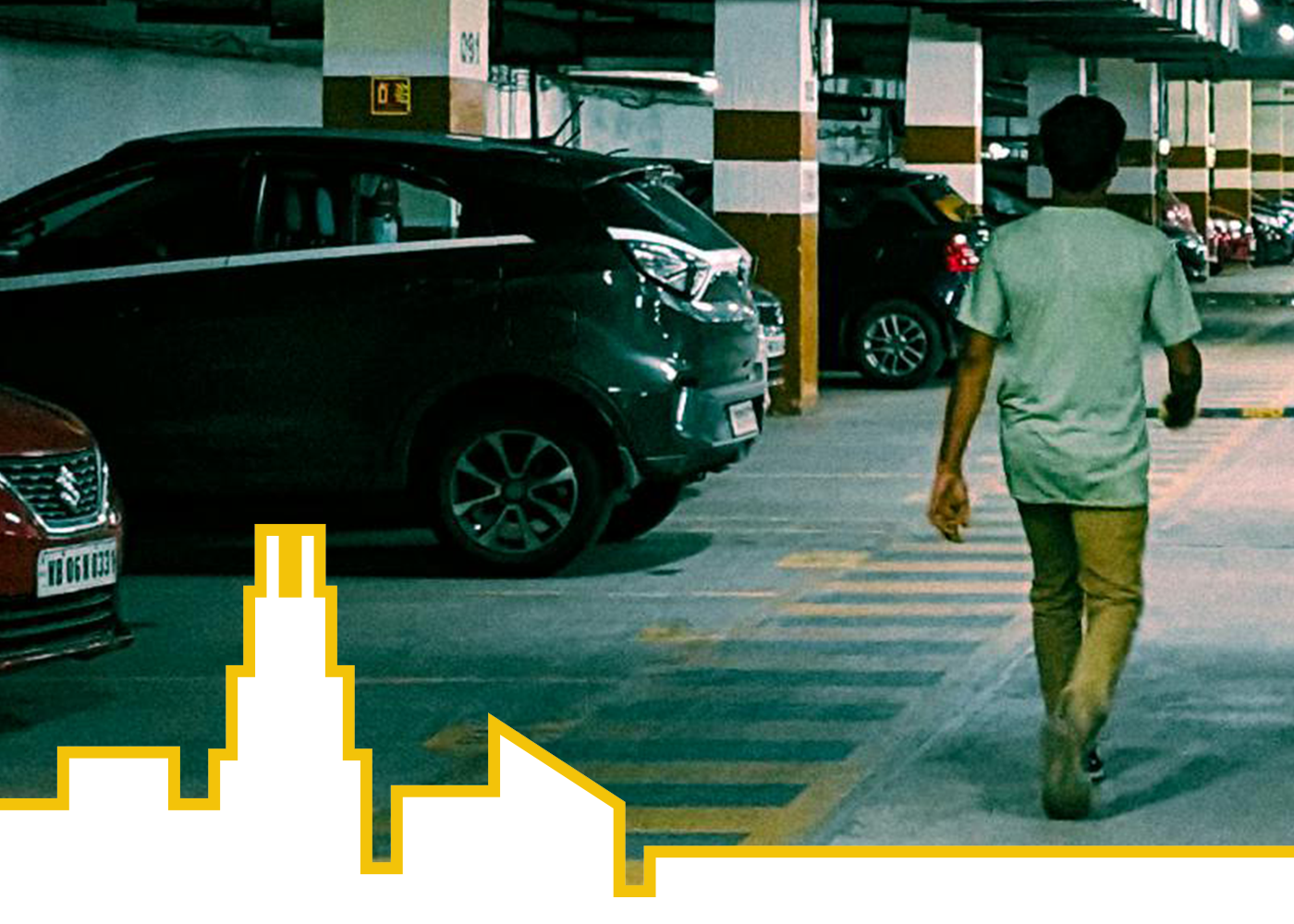
Parking garages are unforgiving environments. Constant vibration, open-air exposure, temperature swings, pressure washing, road salt, and the very real risk of physical impact or vandalism all conspire against low-voltage infrastructure. At the same time, owners and integrators are under pressure to deliver reliable coverage for public safety DAS, cameras, access control, and detection systems - fast.
Windy City Wire’s SmartGUARD was built for exactly these conditions. It combines robust mechanical protection with low-voltage flexibility, enabling exposed runs in many applications so you can eliminate or greatly reduce conduit, speed up retrofits, and lower total installed cost - without compromising performance or durability.
A case-style look: retrofitting a busy downtown garage
Challenge:
- A multi-level municipal garage needed to add public safety DAS coverage, upgrade surveillance cameras, and expand access control - a compressed schedule and during active operation.
- Existing pathways were congested or corroded; conduit routes required difficult core drilling into post-tensioned decks and navigating awkward beams, spalls, and tight clearances.
- The AHJ required clear mechanical protection for all exposed low-voltage wiring subject to physical damage.
Solution with SmartGUARD
- Instead of building new conduit infrastructure end-to-end, the team routed SmartGUARD along the garage ceilings and walls using approved supports, with large-radius sweeps around structural elements - minimal fittings, fewer penetrations, and no lengthy conduit assemblies.
- Armor-grade mechanical protection mitigated impact, abrasion, and snag hazards common in garages, satisfying the project’s exposed-run needs and simplifying AHJ review with clean, documented listings and cut sheets.
- Pre-measured home runs and logical segmentation (DAS, cameras, access control, gas detection) reduced junction points and terminations.
Result
- Installation time compressed significantly, allowing overnight work windows with daytime public use.
- Material and labor costs were reduced compared to traditional conduit-heavy approaches, while meeting the owner’s durability and reliability expectations.
- The project achieved clean cable routing that’s easier to inspect, maintain, and expand.
Why SmartGUARD shines in parking structures
Fast retrofit without the conduit burden:
- Direct, exposed runs where permitted: SmartGUARD’s integrated mechanical protection allows many low-voltage pathways to be routed without conduit in exposed areas when code and AHJ conditions are met.
- Fewer fittings and penetrations: Large-radius bends navigate around beams and corbels without a pile of elbows and couplings. That means fewer parts to source, fewer potential failure points, and faster progress per foot.
- Less coring and drilling: Reducing conduit can also reduce the number and size of penetrations - key when working in post‑tensioned slabs or older concrete with unknown embedded steel.
Built-in mechanical protection for harsh, high-risk environments:
- Impact and crush resistance: Armor-grade construction helps protect against incidental vehicle contact, equipment bumps, and material handling traffic.
- Abrasion and snag resistance: With a tough exterior and smooth routing, SmartGUARD stands up to pressure washing, cable grabs, and surface wear points.
- Outdoor-ready performance: Designed for damp and open-air environments common to garages, with a construction that helps address UV exposure, temperature cycling, and chemical splash from de-icers and exhaust byproducts.
Lower installed cost - without sacrificing protection
- Labor savings: Simplified routing and fewer components shorten install durations, reduce rework, and make night-shift cutovers more feasible.
- Material savings: Reducing EMT, elbows, couplings, pull boxes, and corrosion-resistant hardware adds up quickly - especially across multi-level decks.
- Long-term value: Protected exposed runs are easier to inspect and expand; future adds (e.g., more cameras or detectors) can be routed alongside existing paths with minimal disruption.
Where SmartGUARD delivers in parking garages:
Public Safety DAS (ERRCS)
- Reliable RF transport pathways from donor antennas to BDAs and remote units across decks and stair cores.
- Streamlined exposed runs limit conduit complexity while maintaining the mechanical protection AHJs expect for critical public safety systems.
Surveillance Cameras
- Clean home-run or distributed pathways to NVR/IDF locations without building out new conduit for every camera drop.
- Better survivability in exposed bays and along vehicle lanes, helping prevent damage from incidental contact.
Access Control
- Door controllers, readers, REX devices, and power can be routed along walls and ceilings with robust protection.
- Ideal for stair towers, elevator lobbies, and pedestrian entries where conduit is difficult to retrofit.
Detection Systems
- CO/NO2 gas sensors, heat/smoke detection interfaces, blue-light/emergency stations, ALPR cameras, and occupancy sensors benefit from fast, protected routing across wide spans and open decks.
How SmartGUARD accelerates the job:
Traditional conduit-heavy approach
- Layout, cut, bend, and mount EMT
- Coring and anchoring
- Multiple fittings and box transitions
- Pull wire, label, dress, and protect
With SmartGUARD
- Route the armored cable along approved supports
- Make large-radius sweeps without extra fittings
- Terminate, label, test, and move on
Fewer steps, fewer parts, and fewer penetrations translate into faster installs and smoother night-work windows - critical in active garages.
Practical tips for a smooth, code-aligned deployment
- Coordinate early with the AHJ: Confirm exposed-run acceptability and mechanical protection requirements for each system class (e.g., Class 2/3, communications, DAS), and document SmartGUARD listings/cut sheets in your submittal.
- Choose the right supports: Use corrosion-resistant hangers and spacing per manufacturer guidance. Keep bends broad to protect bend radius and maintain signal integrity.
- Plan penetrations smartly: Where needed, group penetrations, sleeve appropriately, and firestop to the assembly rating. Minimizing penetrations is a major retrofit time-saver.
- Separate critical pathways: Keep DAS, camera, and access runs logically separated for serviceability and to reduce interference.
- Label and document: Clear labeling and as-builts help AHJ inspection and future expansion; they also make maintenance in harsh environments faster and safer.
Bottom line
In parking structures, survivability and speed determine success. SmartGUARD delivers both: conduit-level mechanical protection without the conduit burden, faster retrofits through simplified routing, and long-term durability in one of the harshest low-voltage environments you’ll face. For public safety DAS, cameras, access control, and detection systems, it’s a practical, inspection‑friendly way to cut time and cost - while raising the bar on protection.
Have questions about using SmartGUARD in your next parking structure project or need help designing a faster, more durable low-voltage pathway?
- Contact our team today for expert guidance, product details, and project support.
- Visit the DAS Resource Center to explore additional tools, technical documentation, and insights to help you get started.

Windy City Wire
Windy City Wire
Windy City Wire